From 2021 / Packaging operations
ExpressCustom Packaging.
A custom-packaging company built around a restaurant owner's real problem: making professional branded paper products more reachable for smaller businesses.
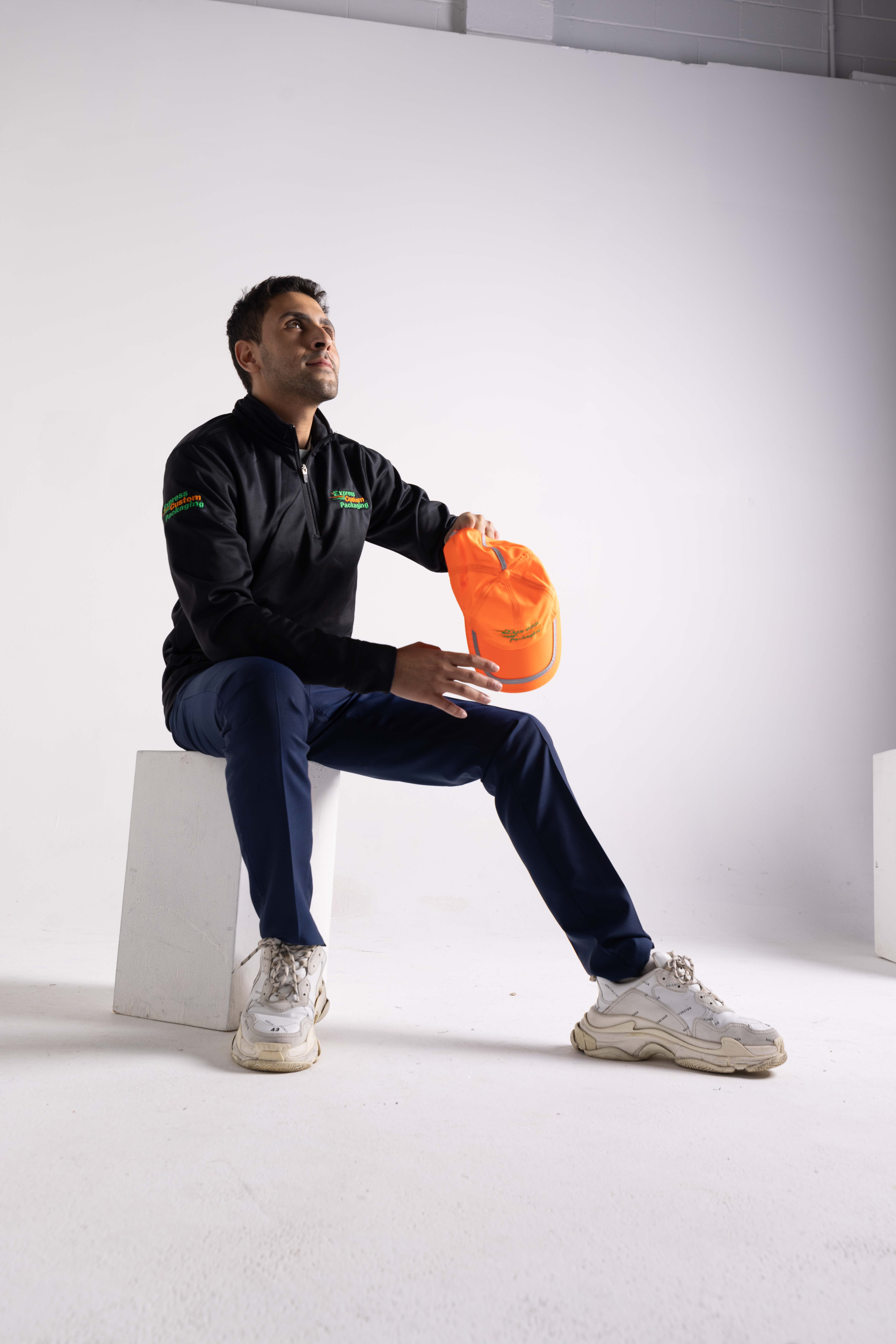
Express Custom Packaging / founder portrait
From one purchasing problem to a complete operation.
The surviving records document much more than a product idea. They show the architecture of a working business across customer acquisition, quoting, production, fulfillment, people, and systems.
The operating architecture.
The company archive shows how Adam translated a customer promise into connected operating functions.
Products made visible.
The company's public pages turn a technical service into something a buyer can understand: bags, boxes, print examples, mockups, and the finished brand in a customer's hand.
Packaging & print
Express Custom Packaging
Its public portfolio documents branded paper bags, takeout boxes, printed packaging, product examples, and regional service highlights.
- Bags & boxes
- Custom print
- Product education
The machine-development story.
Adam states that he developed custom equipment to solve Pizza Crave's packaging needs and later used that capability in Express Custom Packaging.
Materials preserved in Adam's archive describe creating custom equipment after branded pizza boxes proved too expensive for a small restaurant operation, then applying that capability to the newer packaging venture. This public account remains attributed to the founder and the supplied archive.
Technical record
Dated drawings, component purchases, fabrication photographs, production logs, and third-party testimony can support a more detailed account of the machine-development work.
Sample-led selling.
The sales process made the future tangible. Prospects could see their logo on packaging mockups, receive samples, and move from a social conversation into a guided sales call and invoice.
Later meeting records show Adam adapting that operating memory into AI-assisted sales workflows and team training for another restaurant-industry business. That is the bridge from entrepreneur to consultant: the ability to extract the useful system from experience and reapply it.