Four examples of Adam's operating approach. Each case separates documented history from first-party business experience and avoids unaudited performance claims.
Turning a live experience into a repeatable touring brand.
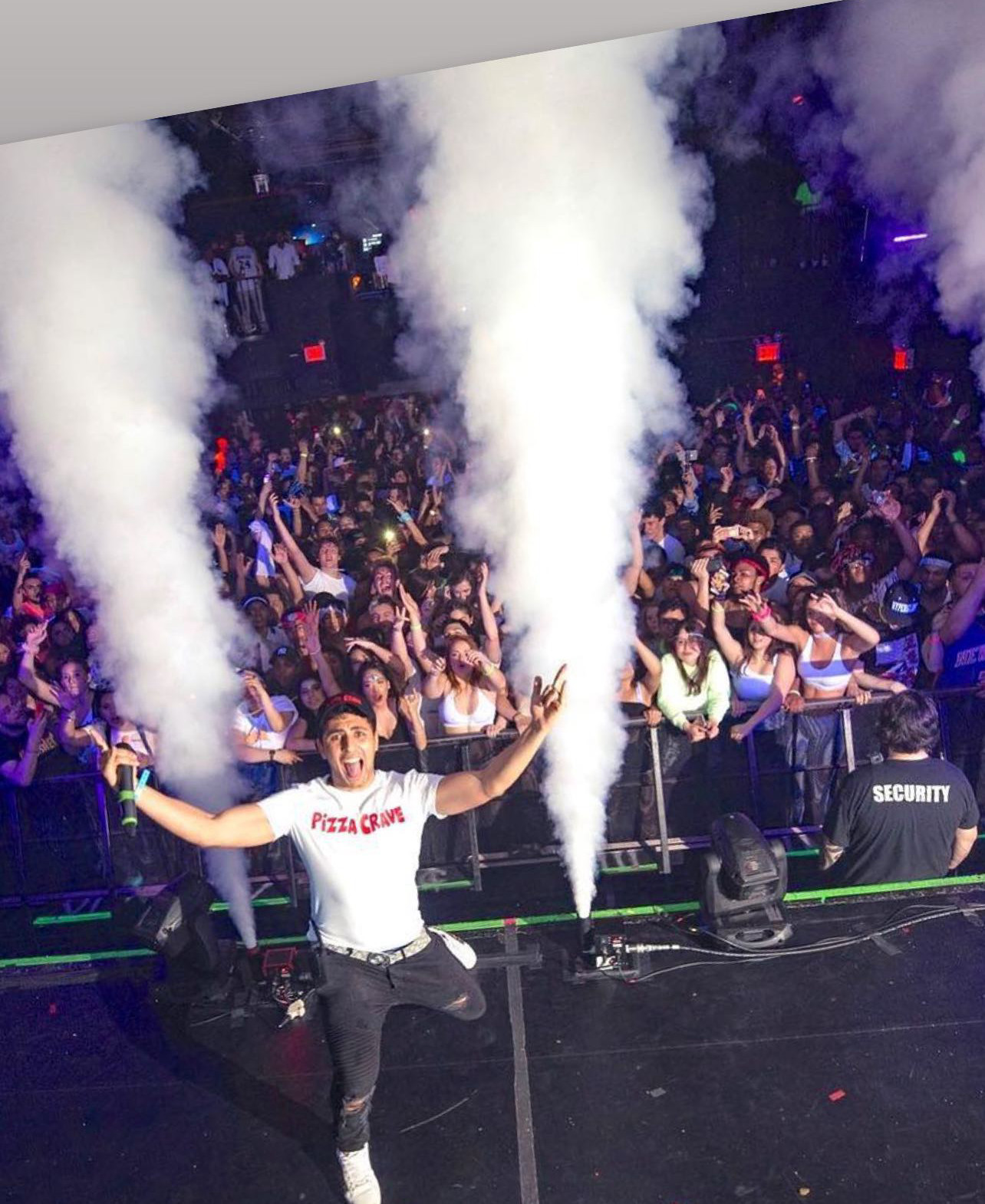
Hyperglow combined audience development, venue relationships, production, talent, safety, and a distinctive visual experience—then had to repeat that system in new markets.
Operating context
Adam's professional profiles identify him as part of Hyperglow's founding and operations team during its early growth.
Documented record
Independent coverage and ticketing archives preserve a sustained, multi-state event footprint during that stated role period, including repeat venue bookings.
Transferable lesson
A memorable front-of-house experience only scales when promotion, partners, production, timing, and on-site execution connect behind it.
Evidence boundary: Event listings establish the brand's dates and venues; they do not assign Adam personal credit for every listed event.
Building the system behind more than one storefront and menu.
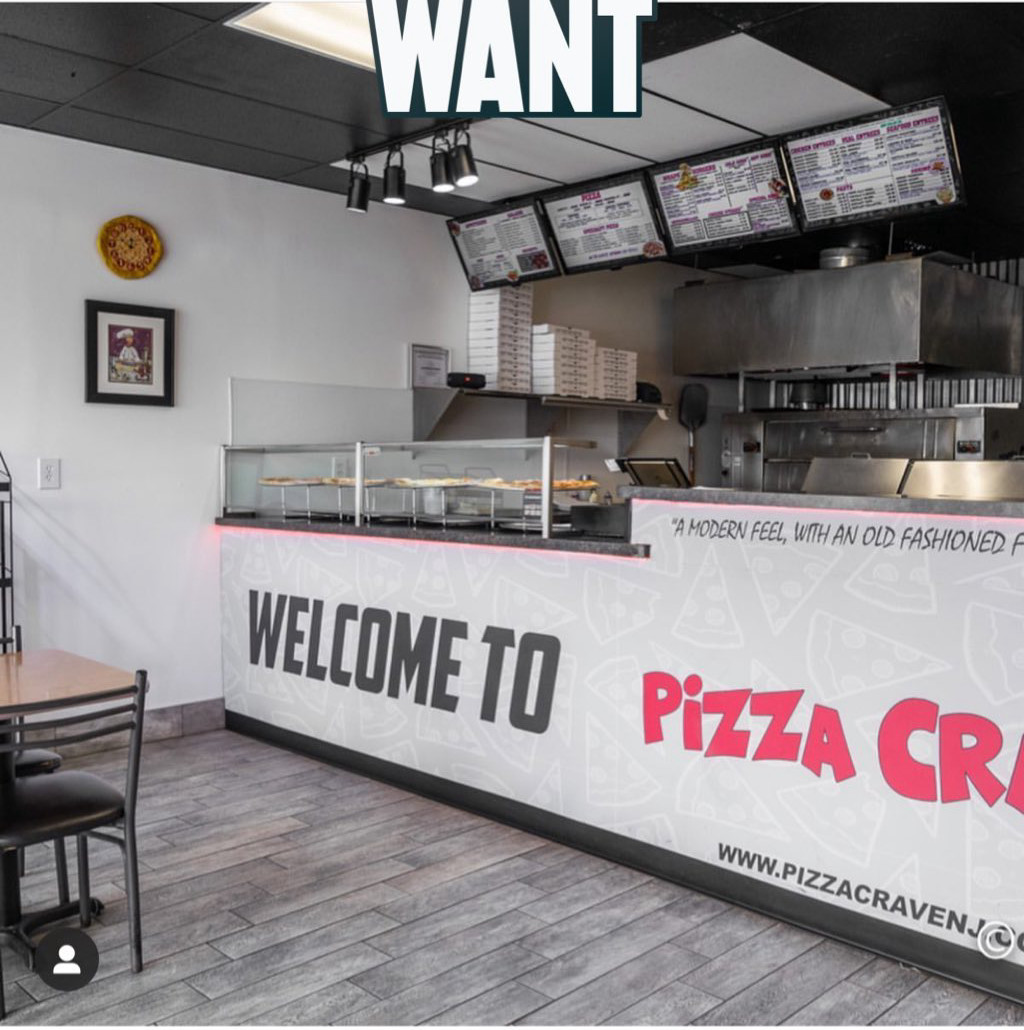
Pizza Crave gave Adam ownership-level experience across brand, menus, marketing, digital ordering, customer acquisition, and day-to-day restaurant operations.
Multi-location layer
Public company and restaurant records document operations in Colonia, Clark, and Teaneck. Adam states that he owned and operated the Pizza Crave locations.
Multi-brand takeout work
Inside shared kitchen infrastructure, Adam developed distinct delivery and takeout-focused menu concepts to reach more customer occasions without duplicating the full physical footprint.
Transferable lesson
Shared infrastructure can support multiple offers only when menu logic, brand promise, ordering, production capacity, and quality control remain coordinated.
Evidence boundary: This site describes Adam's specific multi-brand restaurant work. It does not claim that he invented the broader ghost-kitchen category or publish unsupported revenue results.
Making a custom product easier to understand and buy.
Express began with a problem Adam understood as a restaurant operator: smaller businesses needed a clearer path to branded paper bags, boxes, and restaurant packaging.
Sample-led sales
A recorded December 2025 meeting documents Adam demonstrating a workflow that offered samples, showed prospects mockups with their logo, moved the conversation from direct message to call, and closed with an invoice.
Operating infrastructure
The surviving archive spans pricing, invoicing, CRM, sales orders, production schedules, inventory, warehousing, delivery procedures, hiring, and training materials.
Transferable lesson
For a visual custom product, the sales process improves when the prospect can see their future result and the operational handoff is designed at the same time.
Evidence boundary: The record supports the method and operating scope. This page does not publish an unaudited customer count, revenue figure, or industry-wide impact claim.
Translating operating memory into modern workflows.
Adam's recent work brings together practical sales experience, data products, design, and AI-assisted process development.
Sales workflow design
A May 2026 meeting documents Adam proposing an AI-assisted adaptation of the Express sample-and-mockup sales method and being assigned to train team members.
Business-facing analysis
Working materials in his archive translate technical debt into commercial concerns such as revenue leakage, security exposure, hiring constraints, slow iteration, and mobile usability.
Sales enablement
His current materials organize value propositions, product comparisons, objection handling, outreach, and training into clearer tools for the people doing the work.
Evidence boundary: These records support consulting activity, training, and proposed systems. They do not establish unverified implementation outcomes or performance metrics.
 01 / Touring events