From 2018 / Restaurant leadership & operations
PizzaCrave.
A New Jersey restaurant brand where Adam worked at ownership level across the customer promise and the operating system behind it.
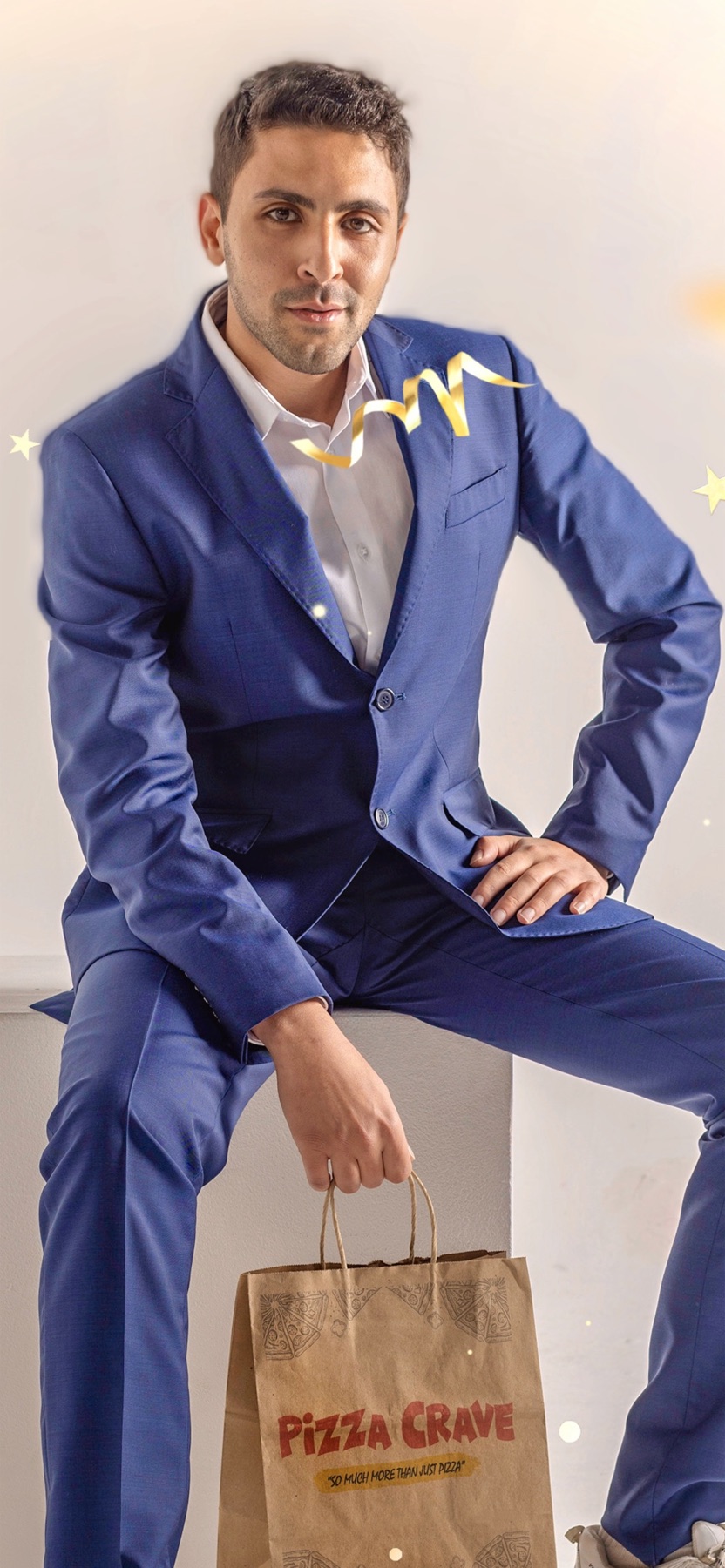
Pizza Crave / supplied operator portrait
Ownership means the whole system.
The Pizza Crave archive spans the storefront and everything behind it: brand, menu, marketing, digital ordering, staffing, policies, payment processing, insurance, customer acquisition, and location launches.
What Adam built around the food.
A restaurant is a chain of promises. The menu can be excellent and the business can still fail if the ordering flow, labor, marketing, packaging, fulfillment, or customer recovery process breaks.
Multi-brand takeout kitchens.
Adam used the same physical restaurant infrastructure to develop distinct takeout-only menus and brands, including Pasta Factory, Burger Crave, and Salad World.
The operating idea was straightforward: make better use of the kitchen, menu capability, staff, delivery demand, and digital storefronts already in place. This site describes Adam's implementation of the model; it does not claim that he invented the global ghost-kitchen category.
Platform correspondence
Adam reports that he presented the concept to Grubhub and has related correspondence and an agreement. Those records can support a more detailed case study after they are authenticated and cleared for publication.
Brand in motion
A storefront built to be seen.
A short archival clip captures one Pizza Crave location and the brand carried into the physical customer experience.
The brand in public.
Pizza Crave's public profiles preserve the customer-facing work: food photography, menu and delivery messages, location identity, and branded packaging.
Restaurant brand
Pizza Crave
Its public archive shows food and menu photography, delivery messaging, branded boxes, promotions, and location-based restaurant marketing.
- Menu launches
- Delivery
- Location branding
The lesson that led to packaging.
Running Pizza Crave exposed a practical brand problem: custom packaging could be too expensive or demand order quantities that did not fit a smaller restaurant.
That friction became the starting point for Express Custom Packaging—an example of one operating chapter creating the insight for the next.